

Gormoth: Well, yes. At the beginning, I definitely wanted to play atmospheric black metal. But later on, I really got into dungeon synth. I listened to ambient because of a friend of mine—he creates ambient music. So, I figured I’d combine all three.
2. With that in mind, when you begin a new composition, do you already know whether it will become a black-metal track, a dungeon synth piece or an ambient work? Or can a composition naturally evolve into something different from what you first imagined?
Gormoth: To be honest, I never plan things out. When inspiration strikes, I sit down and start writing the synthesizer part. Sometimes I feel it’s better to leave it as is—without guitars—and so it turns into ambient music. I’m not really the planning type; it just takes shape in the moment, however it happens to unfold.
3. What does dungeon synth allow you to express that black metal cannot, and vice versa? And ultimately, which of the two do you most enjoy creating, and why?
Gormoth: Actually, with dungeon synth, I try to take a much more contemplative approach. I enjoy doing both, to be honest. But if I had to choose, I’d pick black metal—that’s usually when I read a lot of poetry. Lately, that’s where the lyrics come from.
4. Many of your releases seem to inhabit a world of forests, mountains, winter, fading memories and grief. Are these recurring images connected to your own experiences, or are you more interested in creating an imaginary world that listeners can enter?
Gormoth: These are my own experiences. I spend a great deal of time outdoors—often by the rivers. Lately, I have lost many acquaintances. There were also many times when I wept over the problems caused by alcoholism—problems I have since managed to overcome, albeit gradually.
5. Is there anyone who's had an influence on Gormoth or helped shape the project along the way who you'd like to give a shout-out to? Perhaps someone from another band or project that people might know?
Gormoth: The ones I usually mention are None, Burzum, Lustre, and Severoth. I’ve listened to them a lot, and I still do to this day—which I imagine is evident in my own music. There are countless other excellent artists who have inspired me over the years, but there are so many that I won’t list them all right now.
6. Looking at the range of releases you've put out, from wintry black metal to ambient fantasy synth, is there a direction you haven't explored yet that you'd particularly like to pursue?
Gormoth: Well, I can't really say right off the top of my head. But I’ll definitely try exploring other subgenres within metal as well.
7. Is there a particular Gormoth release that you're especially proud of, or one that means more to you personally than the others?
Gormoth: Oh My Bitter Addictions and the Winterfall album—they mean a lot. I wasn’t in the best shape when I made these albums.
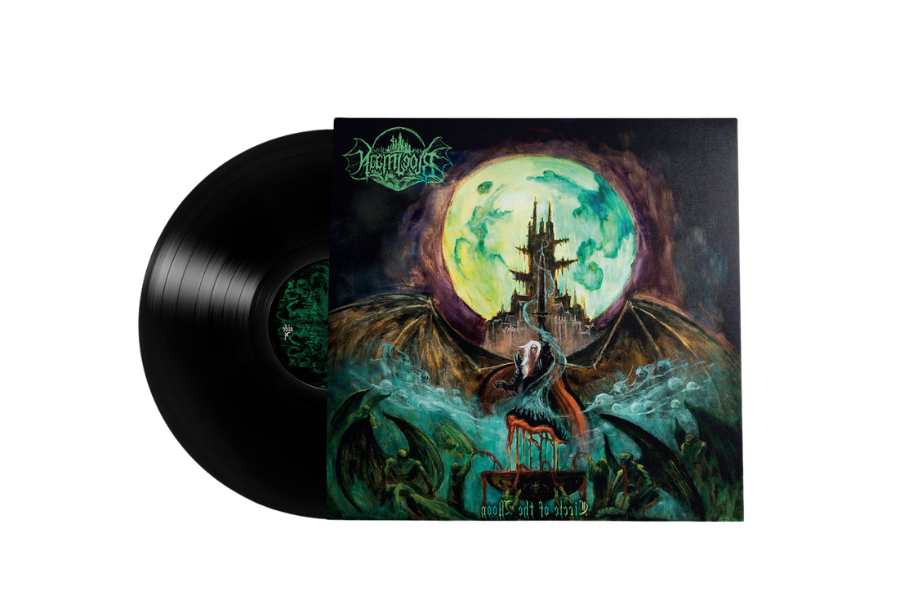
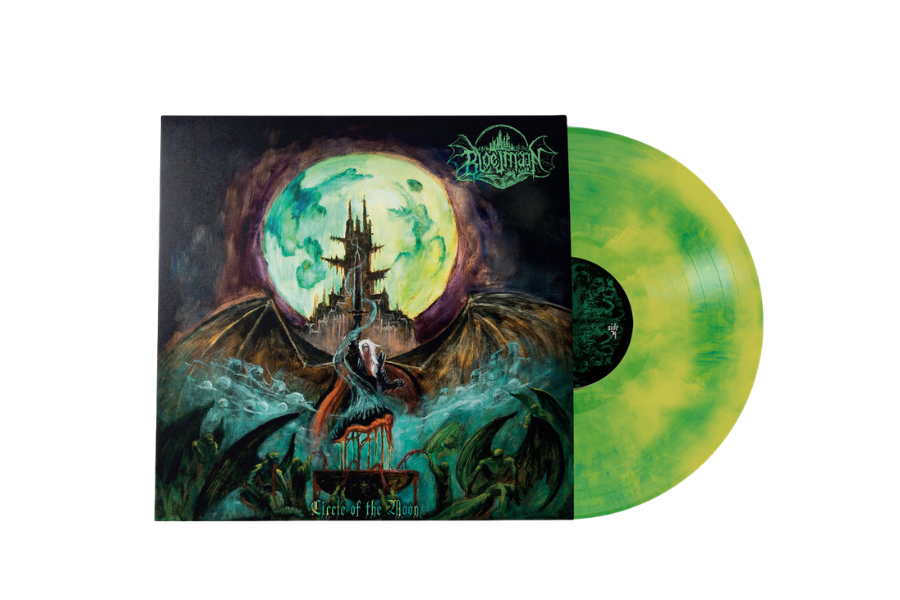
8. Moving on to the artwork, do you see it as an important part of the overall atmosphere of a release, almost like an extension of the music itself, or do you tend to treat it as something separate?
Gormoth: I like it when a listener takes one look and can more or less tell what kind of album this is going to be. I often spend hours searching for the perfect image. Thank you for the interview.