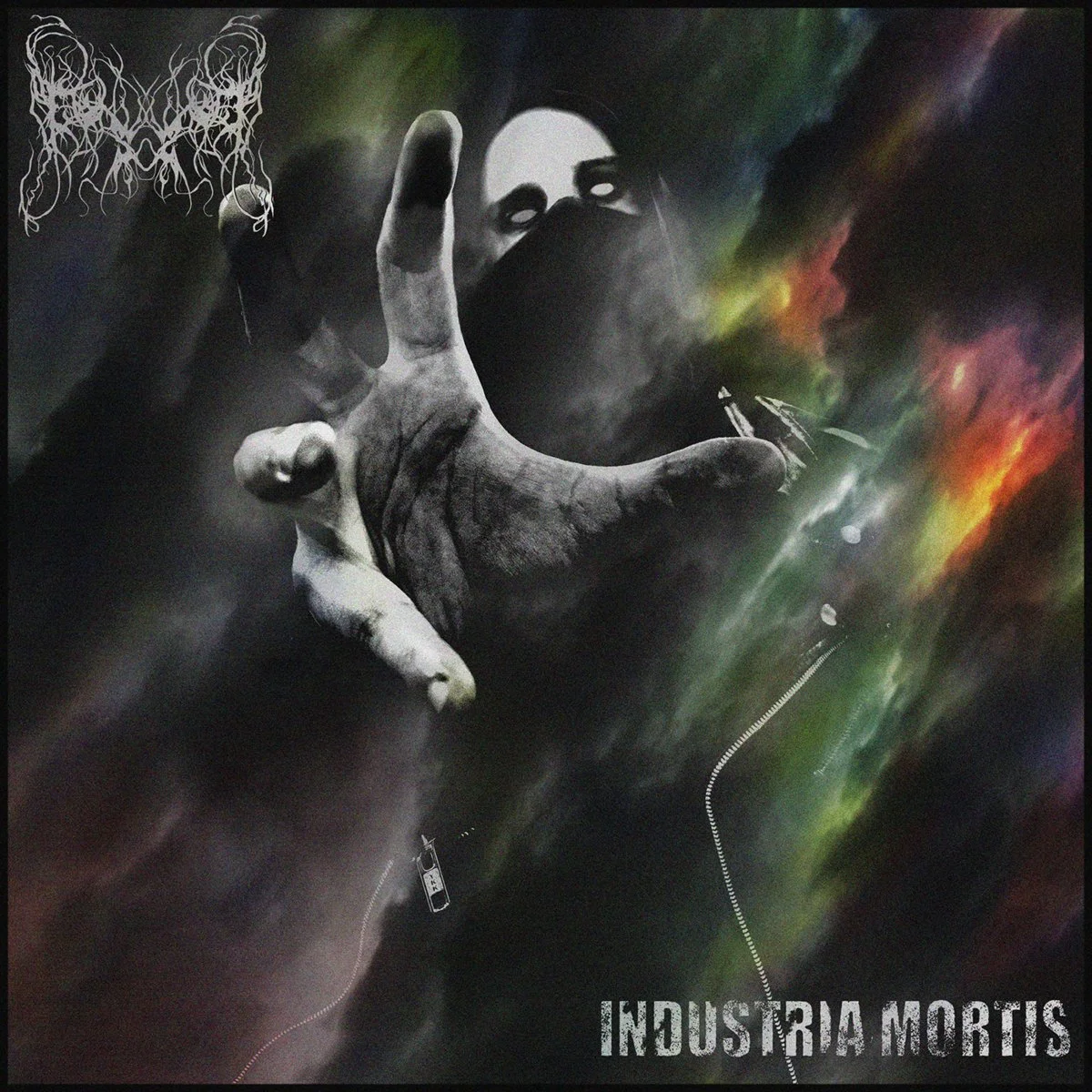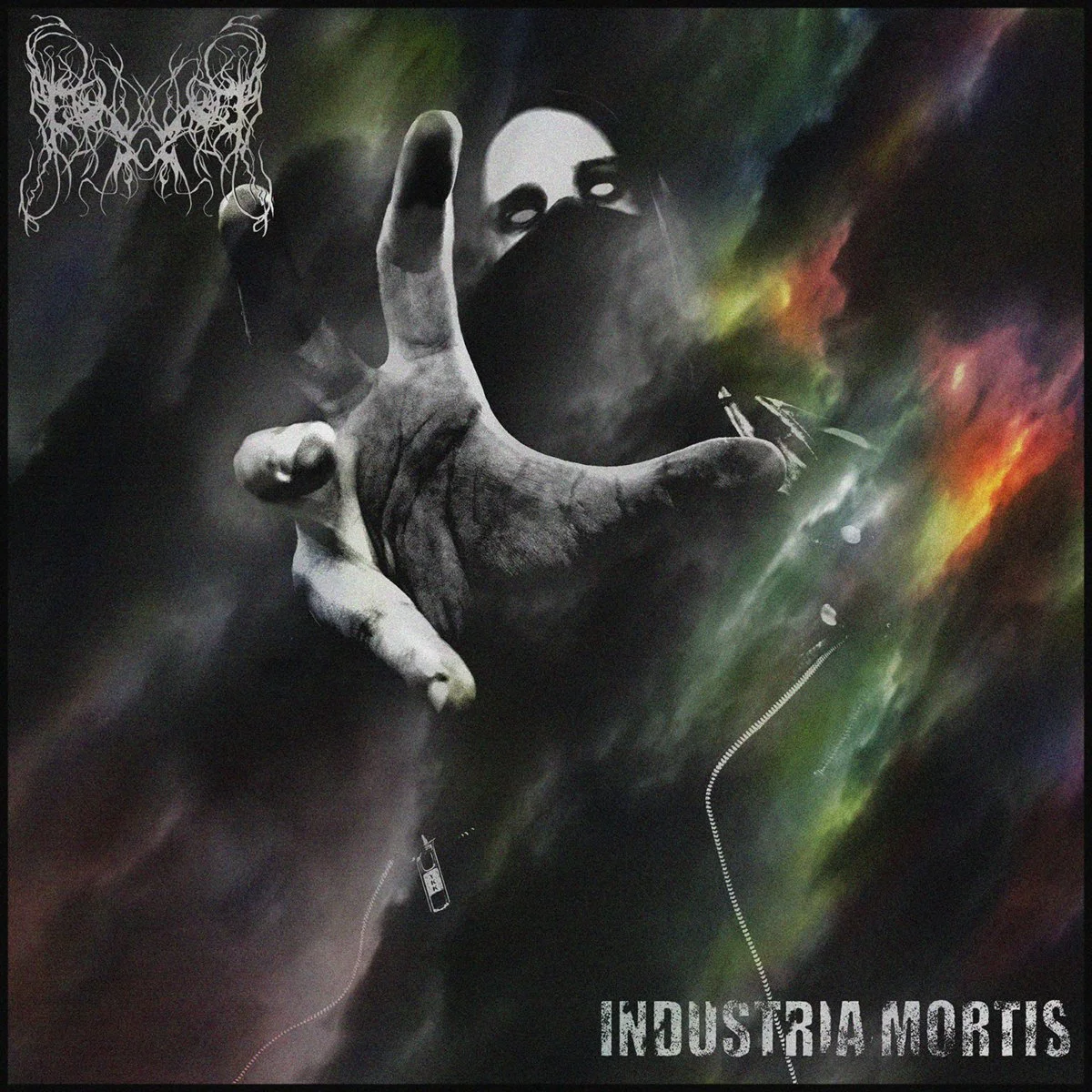






Courtesy of Devouring Famine, if you’re among the first to read this interview, you’re in luck. The album is available here free of charge!
Big thanks again to the man himself, and be sure to drop him a DM and let him know what you think!
6xfq-b2js u4af-wh9d xpfv-cegh 46d7-x3rv 43ha-ewx9
qdeb-7sat g46w-543b yc34-7adx 2jxq-57sp d9c6-beh2
pthu-wupc v74p-6wgw 7msb-g424 xrqw-3qwm 4vr4-hzdg
qbm4-5tx3 9drj-bbjs 34m7-wx9d weba-c5gh s6xb-hrrv
snc5-5sx9 pdjf-7dat h73q-3l57 jwx6-cj25 7sek-wysf
Today, I am more than happy to be joined by the man himself behind the truly spectacular one-man band, Devouring Famine, where I will go over a few things that make this project so special.
To me, DF is one of those projects that really stands out in this scene. I’m a massive fan of how each release has something new to offer and the fact that there is genuinely so much going on within each track. No song sounds the same, and there are actually quite a few genres blended in while still keeping true to the black metal foundation.
As today is an interview, I won’t go into every detail of why I enjoyed this album so much, but before we get into it, I’d like to say that after listening to this album three times now, I would happily say this is the best release from DF, and that’s saying something considering how many releases this bloke cranks out back-to-back. With this new offering being as good as it is, I can confidently say it has solidified DF in my top 10 solo BM projects. I would score this album a 9/10, the same score I gave Chains Slavery Filth when I reviewed it last year. Although I gave both a 9/10, I feel this album is more unique and a little tighter overall.
To start, I’d like to look at the individual behind the project. Outside of your musical career, what has your personal path been like, and how has that life experience directly shaped the atmosphere or the 'source' of your music?
That’s a really good question, honestly. I’m 41 now, so I’ve lived through several generational shifts. Some people are given a relatively calm life, while others grow up watching everything slowly fall apart. You keep thinking, “okay, now things will finally be alright,” but life has a way of holding a carrot in front of you like a donkey always within sight, never quite within reach only for everything to slip back into chaos again.
From a very young age, I was always drawn to outsiders, or characters seen as villains in the stories I read or watched whether in literature or film. Those figures usually had a purpose, a reason behind what they were, and that always resonated with me. The same thing happened with music. I was never really into what everyone else was consuming. I can appreciate a mainstream band, sure, but I’ve always been searching for something more outside the norm.
In the end, it’s that mix of visual influences, a world that feels like it’s constantly decaying, and this ongoing need to explore something different that has shaped the sound that comes out of my guitar.
Your albums are structurally quite complex. How many years has it taken you to reach this level of proficiency, and which instruments did you pick up along the way to make a solo project of this scale possible?
I started playing bass at a young age in a crust punk/black metal band. We were amateurs, but things went fairly well until we eventually split up. A few years later, I began learning guitar from scratch without a teacher, which made it a challenging and lengthy process especially at a time when information wasn’t as accessible as it is today.
I can’t say exactly how long it took, but it required a lot of time and dedication. My advice to anyone looking to push boundaries is simple: study the only way to break the rules is to understand them first.
The imagery for this project feels inseparable from the sound. What dictates the visual direction of your outfits and corpsepaint, and how do you physically capture these scenes in solitude.
Well, you could say the outfit is basically what I always wear, so that part wasn’t complicated at all, haha. The corpse paint is something deeply tied to the genre I follow that outsider figure, trying to echo some of the things that have always resonated with me.
I put a lot of emphasis on hand positions, inspired by Conan the Barbarian, when Thulsa Doom speaks about the power of flesh being stronger than steel. As for the scenes, I try to recreate them through simple photographs, since reality tends to bore me I manipulate it slightly to shape the atmosphere I’m after.
Which track on the album is your personal favourite, both in terms of the recording process and how it sounds to you now as a finished piece?
Definitely, The Ashes and Corpses of the Promised Land and We Lost are my favorites, but to be honest, I like all of them. If a song doesn’t work, I simply remove it or cut out the parts that feel unnecessary or dull.
In reality, I never fully know how a track will end, because the process is almost improvisational though within certain clear parameters. It’s not like some bands that spend months composing a single song. My way of knowing a piece is finished is when I feel I’ve exhausted the possibility of any further development or meaningful addition.
You handle every stage of production yourself, which sets you apart from many of your peers. How and when did you start learning the engineering side of things to reach this level of independence?
That’s a great question. In truth, I’ve always been drawn to the idea of assembling pieces and shaping them into something cohesive, almost like building a puzzle. My interest in the engineering side really began out of necessity I wanted to be able to record my own music, and I never had the financial resources to rely on someone else to do it for me.
So, little by little, I started learning the basics of production and mixing on my own. It’s been a gradual process, and with every new release I still discover something new and refine my approach.
How would you describe your sound to a new listener who is just discovering your work for the first time?
Well, if I had to describe the sound you can expect, I’d say it’s chaos, fury, and a kind of hypnotic decay, with moments of calm that might feel somewhat alien compared to what’s typical in the genre. It’s always difficult to describe your own soundI think everyone experiences and interprets it in a different way.
Beyond Devouring Famine, you also have the side project Cryptic Elegy. Last December, you released two tracks under the title The Heretical Architecture of Man, which I discovered through a Bandcamp code you sent over email. Could you give us some tell us about that project and how it differs musically/conceptually, from what you do in DF?
The difference with Cryptic Elegy is that it leans more toward a punk and hardcore approach, framed within black metal more direct, no unnecessary twists. It’s something that will resonate especially with fans of Devouring Famine’s early demos
We all have our personal favorites. Setting aside your musical influences for a moment, which black metal bands or projects do you simply enjoy listening to as a fan of the scene?
There are many black metal bands I love, but to name a few: Leviathan, Ash Borer, Deathspell Omega, Arizmenda, Afsky, AWE, Make a Change… Kill Yourself, Anti, and Nyktalgia
What led you to choose the name Devouring Famine for this project? Does it carry a specific personal significance, or does it represent a broader concept you’re exploring through the music?
The name comes from a Deathspell Omega song. I’ve always found the title very compelling the idea of something devouring itself. It also ties into the concept of the Ouroboros a symbol of life as a continuous cycle of self-consumption and renewal, which I find deeply fascinating
Your music feels like it belongs on a physical format, and as a collector, I’d love to see these albums on my shelf. Do you plan on doing a physical run in the future, or do you intend to keep this strictly digital? I’m certain there are numerous labels that would jump at the chance to press and promote your work.
There are still some physical editions of my earlier works scattered around, but dealing with physical releases is quite complex. I’m not really a fan of the digital, to be honest it has led to music losing much of its value for most people nowadays. Unfortunately, it’s the medium I can realistically operate in, and I truly appreciate every bit of support I receive on these platforms.
At the moment, I don’t have any concrete plans for new physical editions. To be completely honest, I don’t have the time or the means to handle the distribution of copies myself. It would feel disrespectful to have someone purchase something from me and then not be able to deliver it properly or on time due to my work. That’s something I simply can’t allow, so reaching agreements with labels becomes complicated
Note from DF:
Thank you very much for this interview. The questions were excellent and it was a pleasure to answer them. I also want to thank everyone who supports this small project called Devouring Famine.
As a final note, please support your favourite bands. It's vital in these times, where time itself feels increasingly scarce and digital algorithms tend to take over.